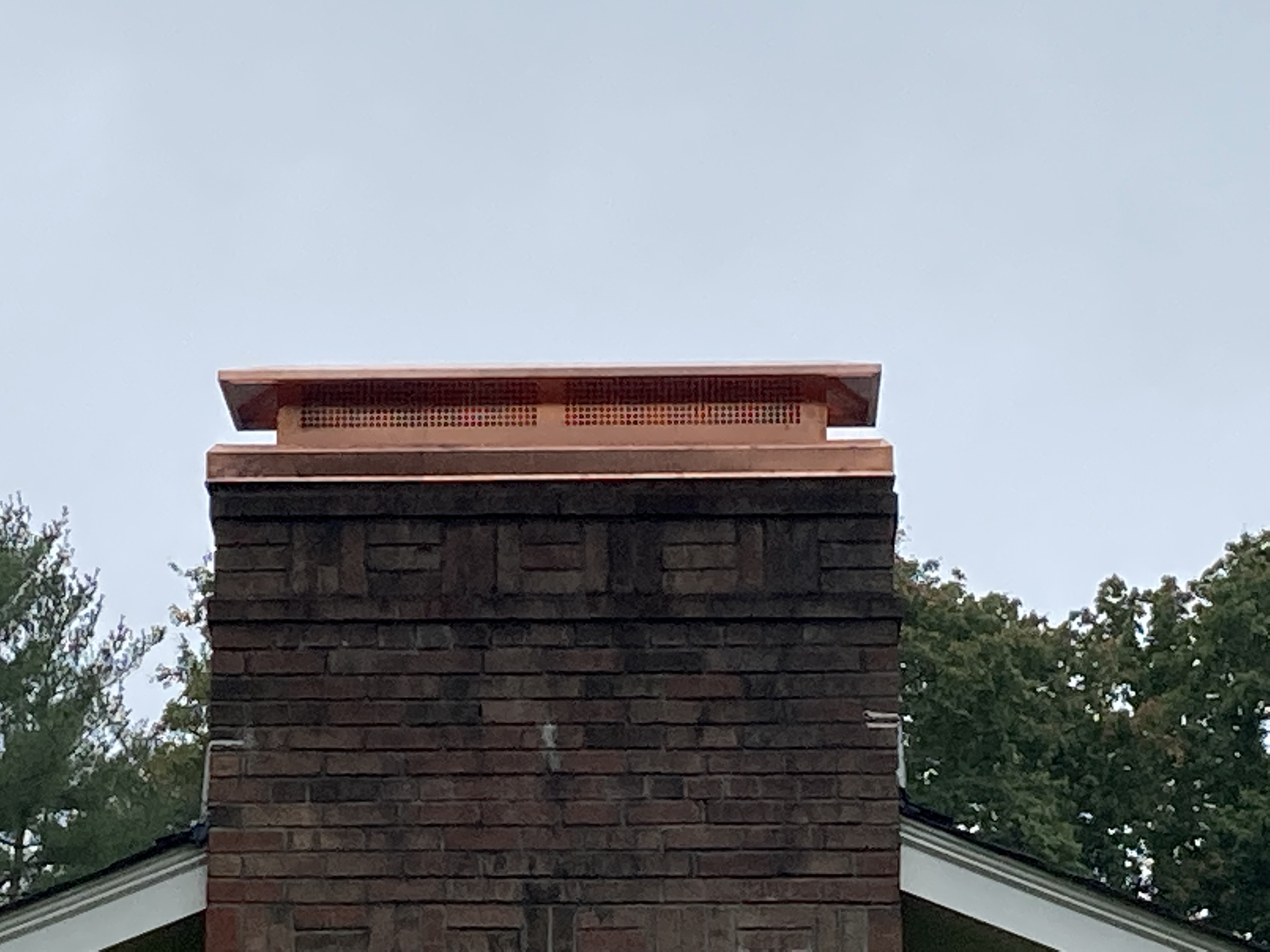
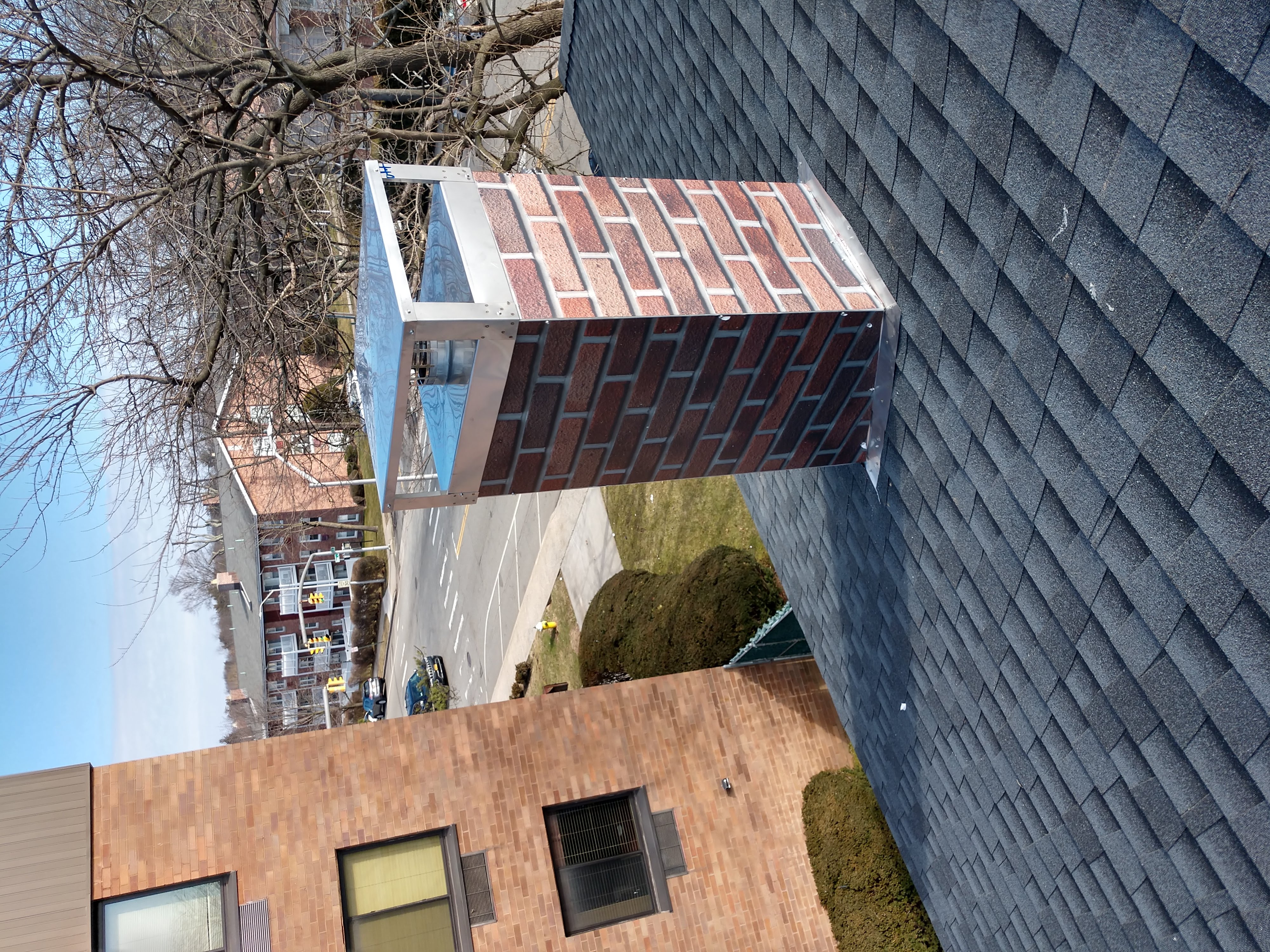
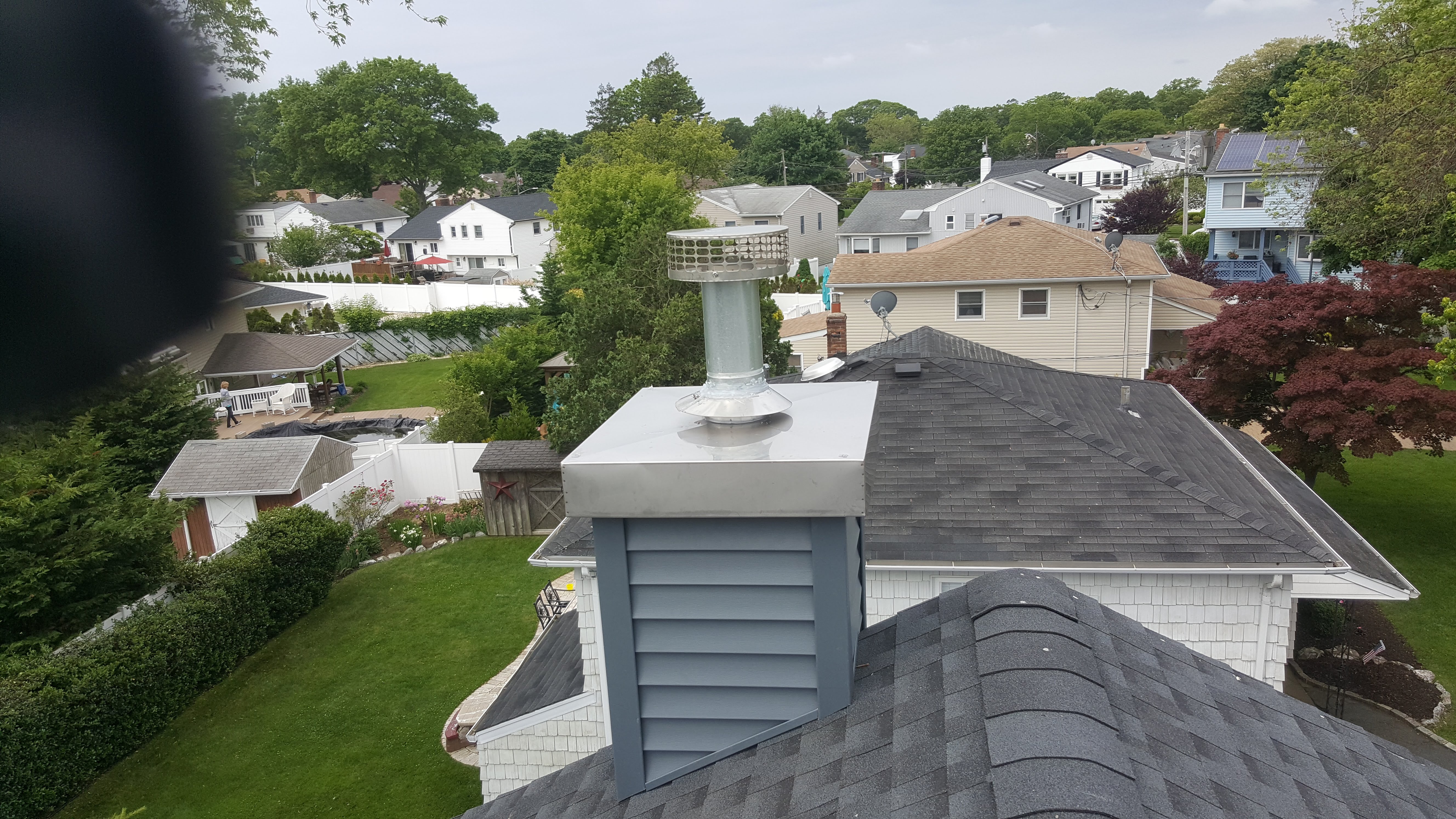
The chimney crown is the concrete or mortar cap that covers the entire top surface of your chimney masonry, surrounding the flue tile opening and sloping outward and downward to direct water away from the flue and toward the edges of the chimney. It is your chimney's most critical first line of defense against water entry from above, and when it fails, the consequences quickly propagate through the entire chimney system. At amityvillechimney.com, we repair and rebuild chimney crowns throughout North Amityville, NY and across Suffolk County, NY, and we consistently find that a damaged or inadequate crown is the root cause of chronic water problems that homeowners have been struggling to understand for years.
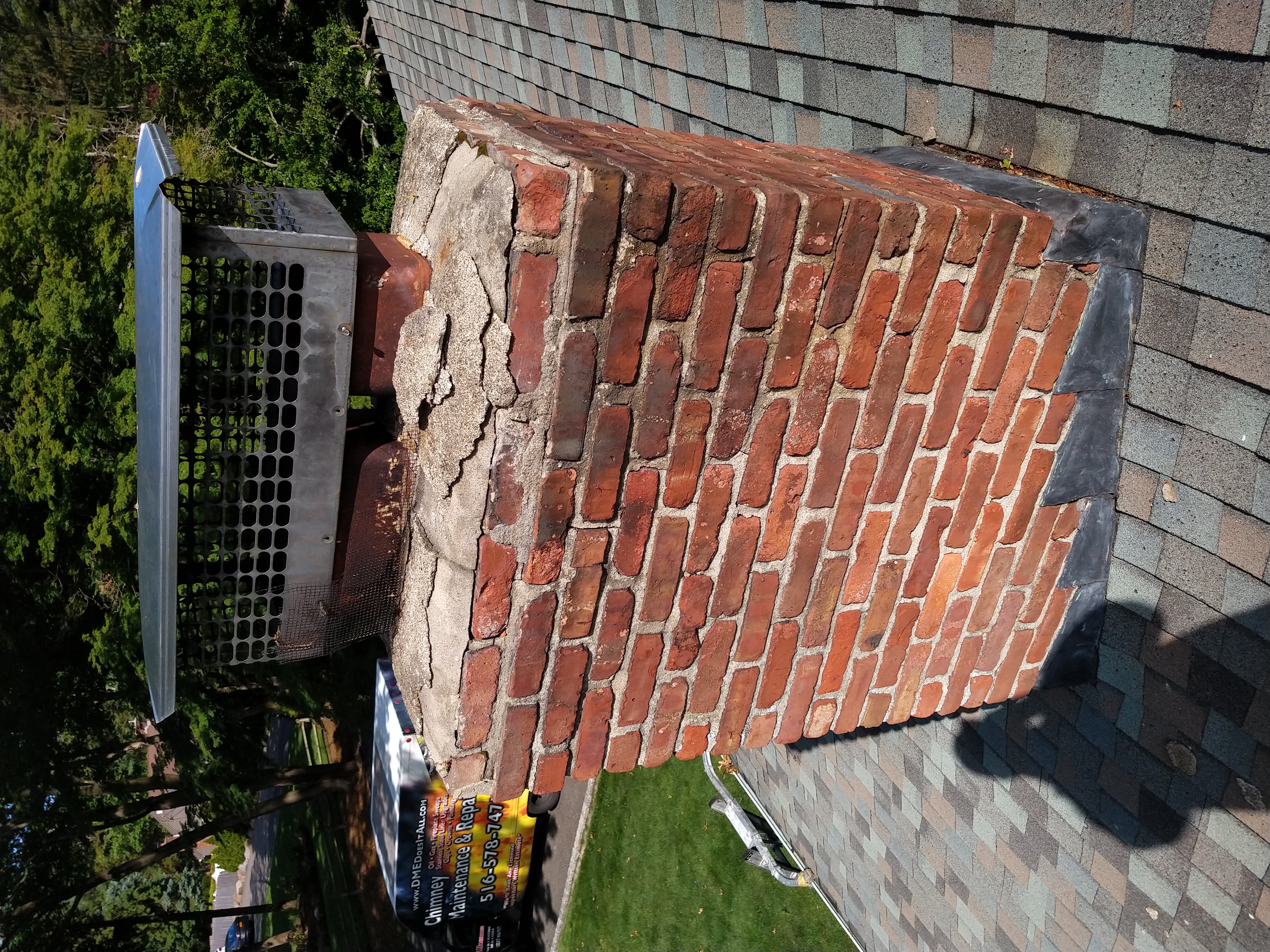
A properly constructed chimney crown extends at least two inches beyond the face of the chimney on all sides, maintains a consistent downward slope toward the edges, and is made from a durable Portland cement concrete mix rather than simple mortar. It should be smooth, free of cracks, and fully adhered to the masonry below. Unfortunately, a large percentage of homes in North Amityville and throughout Suffolk County, NY were built with crowns that do not meet these standards. Builders and chimney contractors in past decades frequently applied a thin mortar wash to the top of the chimney and called it a crown. These mortar caps crack and crumble relatively quickly under the thermal stress and freeze-thaw cycling of the Long Island climate. Once cracks form, water enters directly at the highest point of the chimney and travels downward through every component below, saturating brick, mortar joints, flue tiles, and ultimately the framing and interior finishes of the home.
Chimney crown repair in North Amityville starts at $385+ and we offer two levels of service depending on the condition of your existing crown. For crowns that are structurally sound but showing surface cracks, crazing, or minor edge chipping, we apply a premium elastomeric crown sealant product that bonds tenaciously to the concrete surface, bridges existing cracks, and forms a durable, flexible waterproof membrane that moves with the masonry through temperature cycles. This product is breathable, allowing moisture vapor to escape from the masonry while blocking liquid water entry. It carries a manufacturer warranty and significantly extends the life of an otherwise sound crown at modest cost.
For crowns that are severely cracked, crumbling, undermined by water infiltration, or structurally compromised, a complete crown removal and rebuild is the appropriate and necessary solution. Our masons chip away all remaining crown material to expose clean masonry, form the crown area correctly with an appropriate overhang dimension and drainage slope, and pour a new crown using a properly proportioned Portland cement and pea gravel aggregate mix. The new crown is finished smoothly with a steel trowel, cured under appropriate conditions, and then sealed with the same elastomeric product we use for crown sealing. The result is a properly engineered crown built to the correct specifications that will protect your chimney for decades.
In most cases we recommend combining crown work with related maintenance such as repointing of deteriorated mortar joints, inspection and resealing of roof flashing, and installation of a chimney cap if one is not present. This integrated approach resolves all sources of water intrusion comprehensively in a single visit rather than treating each component in isolation, and it is more cost-effective for homeowners in North Amityville because it reduces the number of separate service calls required.
Warning signs that your chimney crown needs professional attention include visible cracking or crazing on the crown surface visible from the ground, pieces of concrete or mortar found on the roof surface or in gutters below the chimney, water staining on interior ceilings near the chimney, efflorescence on the exterior chimney brick, spalling brick faces, or moisture on the smoke shelf or firebox floor. If you have noticed any of these conditions at your North Amityville home, do not wait through another winter. Call amityvillechimney.com at 631-316-0622 to schedule a free crown inspection and estimate.
A question we hear frequently from homeowners in North Amityville is whether DIY crown patching with hydraulic cement or vinyl concrete patching products is a reasonable short-term solution. We understand the appeal of a quick, inexpensive fix, but the reality is that these products do not bond well to existing crown surfaces, crack quickly under thermal cycling, and rarely last through a single winter. More concerning, they can trap moisture beneath the patch that does additional damage during freeze-thaw cycles. Professional crown repair using the correct elastomeric sealer or a proper concrete rebuild is a dramatically more durable and cost-effective solution when the total cost over five years is compared.
We also want homeowners in North Amityville to understand the difference between the chimney crown and the chimney cap. The crown is the concrete or mortar top surface of the masonry itself, which covers everything except the flue opening. The cap is the separate metal cover that sits over or around the flue tile opening. Both serve important but distinct protective functions. A home can have a good cap but a failing crown, and vice versa. Our inspection always assesses both components and provides separate assessments of their condition.
For homeowners in North Amityville who have recently had roofing work performed, we strongly recommend a crown inspection following any roof replacement or major repair. Roofing crews sometimes damage chimney crowns inadvertently during work near the chimney base, and roofing tar or sealant applied to the crown by well-meaning contractors can seal moisture inside the masonry rather than keeping it out. We see this pattern regularly in Suffolk County, NY and it is easily addressed when caught promptly. Call amityvillechimney.com at 631-316-0622 today.
Protecting your chimney crown is protecting the entire chimney system below it. A sound, properly constructed crown is the simplest and most cost-effective waterproofing measure available at the top of your chimney, and when it fails, the cost of addressing the downstream damage it allows often exceeds the repair cost many times over. amityvillechimney.com serves North Amityville and all of Suffolk County, NY with professional crown repair and rebuilding services. Call 631-316-0622 today to schedule your free crown inspection.